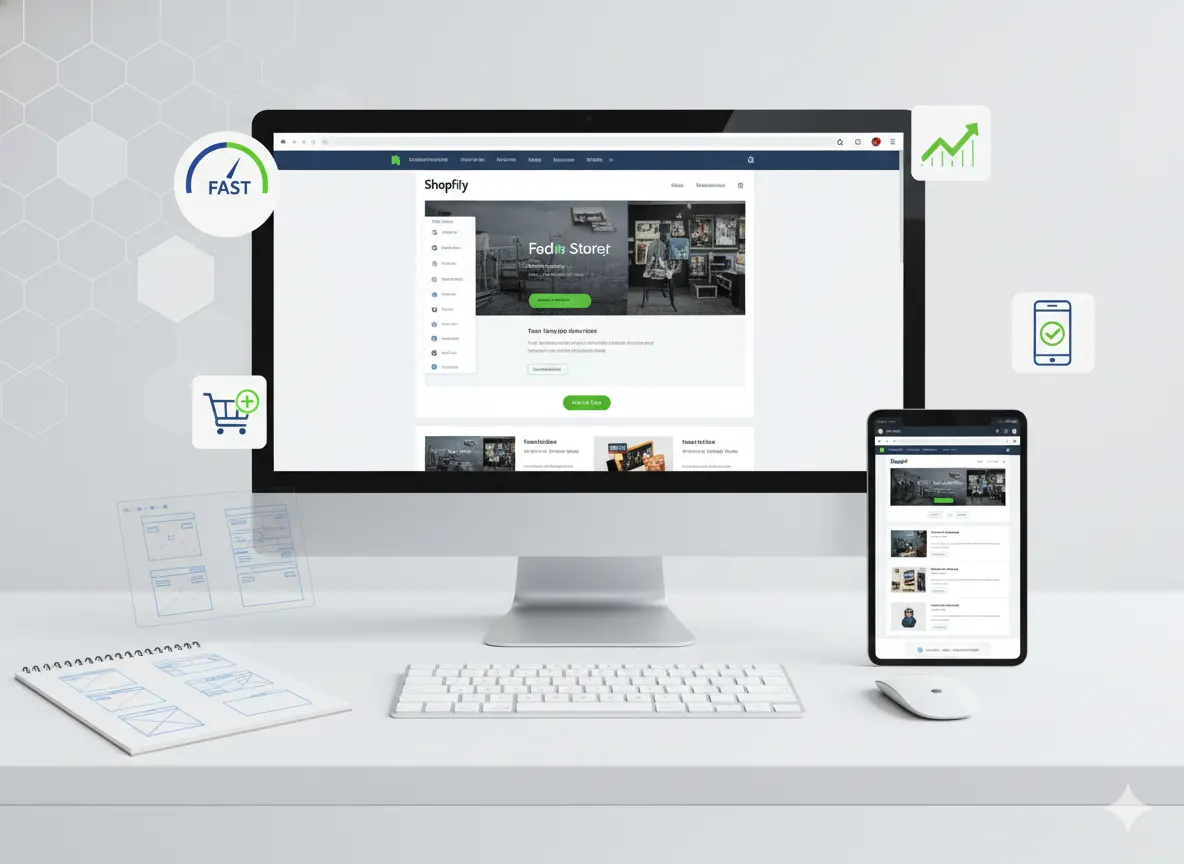
In just a matter of months, this growing eCommerce brand went from struggling with a slow, cluttered, and under-performing online store to running a fast, conversion-driven Shopify site built for scale by Pixwelz. Like many founders, they were stuck in the common cycle: a DIY store that looked good on the surface but suffered from poor UX, inconsistent design, slow load times, and a checkout experience that pushed customers away instead of guiding them forward.
Once they partnered with Pixwelz, everything changed. The brand began seeing measurably stronger performance, faster load speeds, smoother navigation, higher engagement, and a noticeable lift in revenue. The transformation was not accidental; it was the result of a strategic rebuild focused on performance, UX, and growth.
Here’s how we helped them turn their Shopify store into a high-performance growth engine.
Inline CTA: Need a Shopify store that sells? Get a Free Consultation.
Meet the Brand & Their Growth Challenges
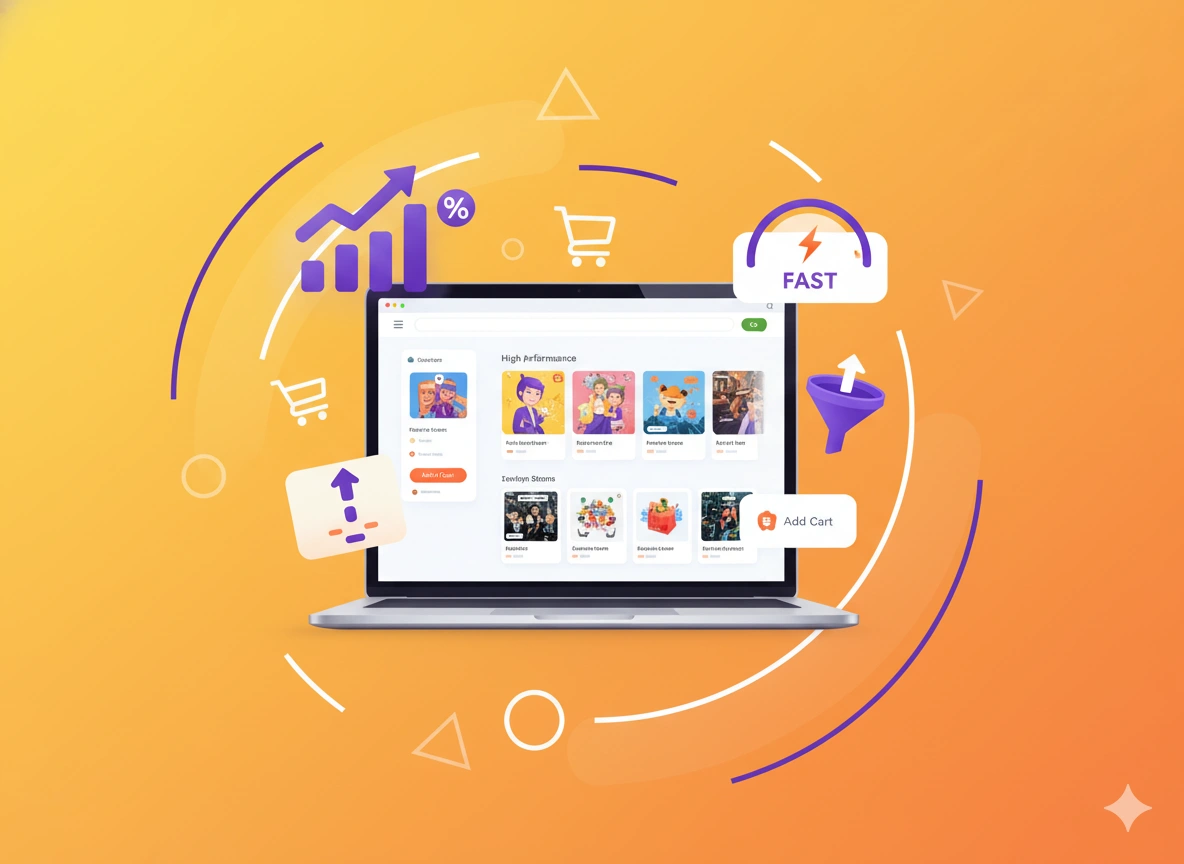
Before partnering with Pixwelz, this eCommerce brand was doing what many fast-growing online businesses do: trying to scale on top of a store that was never built for scale in the first place.
The brand had initially launched with a DIY Shopify setup, using a mix of pre-made templates, inconsistent design elements, and several apps that didn’t work well together. At first, it felt “good enough,” but as the business grew, the cracks became clearer:
• Pages loaded slowly, especially on mobile, which is their biggest traffic source
• Product pages weren’t optimized for conversions or buyer intent
• Brand identity felt inconsistent, making the store look less trustworthy
• Navigation was confusing, and customers struggled to find what they needed
• The checkout flow wasn’t streamlined, leading to unnecessary drop-offs
The founders knew they needed more than a patchwork fix. They needed a properly engineered Shopify store, one designed for performance, brand consistency, and growth.
That’s where Pixwelz came in.
The Brand’s Background & Goals
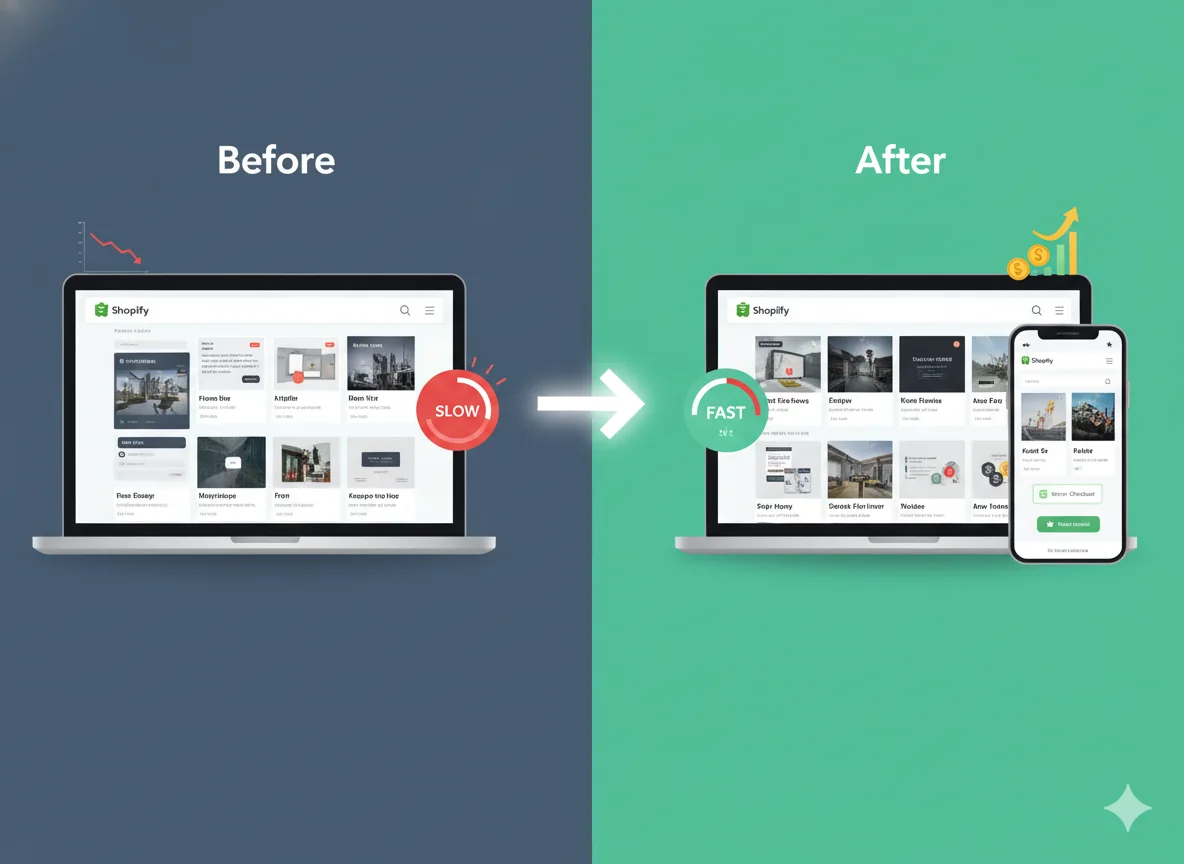
The brand approached Pixwelz as a growing e-commerce business with a clear vision: to expand its online presence, improve user experience, and build a store capable of supporting long-term growth.
They weren’t a new startup; they had momentum, returning customers, and a product line that resonated with their audience. What they lacked was the technical foundation and polished digital experience needed to scale further. Their team knew that to compete with modern, high-performing eCommerce brands, they needed a Shopify store that was:
• Fast, even with more products and higher traffic
• Professional and brand-consistent, to build trust instantly
• Optimized for conversions, not just aesthetics
• Flexible for future features, offers, and campaigns
• Reliable, without constant bugs or app conflicts
In short, they wanted a store that matched their ambition: high-performance, high-conversion, and built for serious growth.
Pixwelz stepped in to help them get there.
The Problems Blocking Their Sales
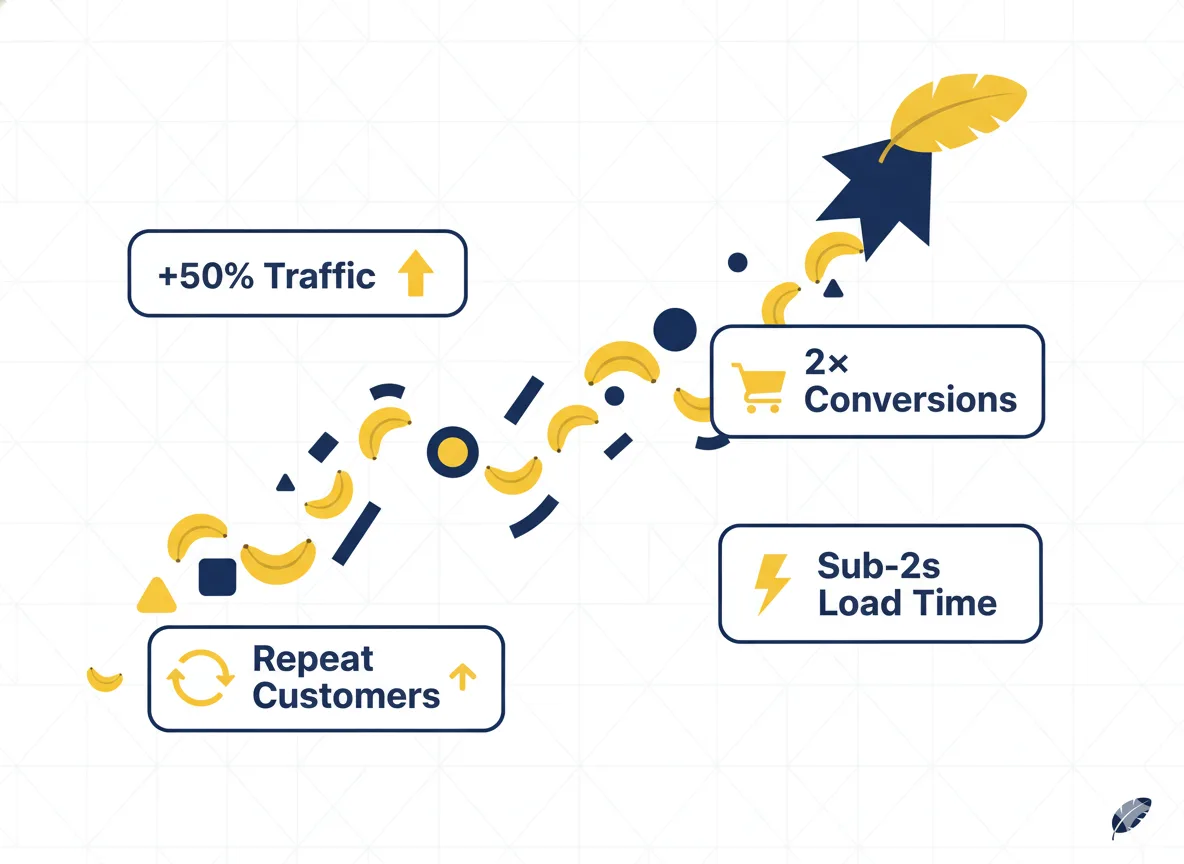
When the brand approached Pixwelz, their biggest issue wasn’t a lack of traffic; it was that their traffic simply wasn’t converting. Visitors were landing on the site, browsing for a moment, and leaving before making a purchase. After reviewing their store, the root causes became clear.
1. Slow Page Load Speeds Were Killing Conversions
Their old store took too long to load, especially on mobile. Every second of delay pushed more shoppers away, creating a double-digit drop-off before product pages even had a chance to load. For an e-commerce brand trying to scale, this alone was a major revenue blocker.
2. A Confusing User Experience (UX) That Frustrated Visitors
The navigation structure didn’t guide customers smoothly. Categories were buried, product discovery felt difficult, and the layout didn’t follow any intuitive shopping flow. Instead of leading customers toward a purchase, the experience felt disjointed and overwhelming.
3. Weak, Unoptimized Product Pages
Their product pages lacked the elements modern shoppers expect: clear value messaging, detailed visuals, comparison points, benefits, trust badges, and persuasive content. As a result, even interested customers didn’t feel informed or confident enough to buy.
4. Poor Mobile Layout & Responsiveness
Most of their traffic came from mobile, but the mobile experience was clunky. Buttons were misplaced, images were cropped awkwardly, and spacing issues made the store look unprofessional.
5. No Real SEO Structure in Place
Their old setup was built on a basic template with:
• No optimized metadata
• No structured content
• No collection hierarchy
• Weak internal linking
6. Low Trust Elements = Low Customer Confidence
The brand had strong products, but the store didn’t communicate trust. Missing or poorly placed elements like reviews, guarantees, badges, and consistent branding created hesitation, leading to low add-to-cart rates and even lower checkout starts.
7. Limited Customization on the Old Platform
The store was built on a rigid setup with multiple conflicting apps. This made it nearly impossible to:
• Improve performance
• Add new features
• Customize the design
• Scale for promotions or new product launches
Pixwelz’s mission was clear: rebuild the store from the ground up faster, cleaner, more strategic, and optimized for real growth.
Why Pixwelz Recommended Shopify for Scaling
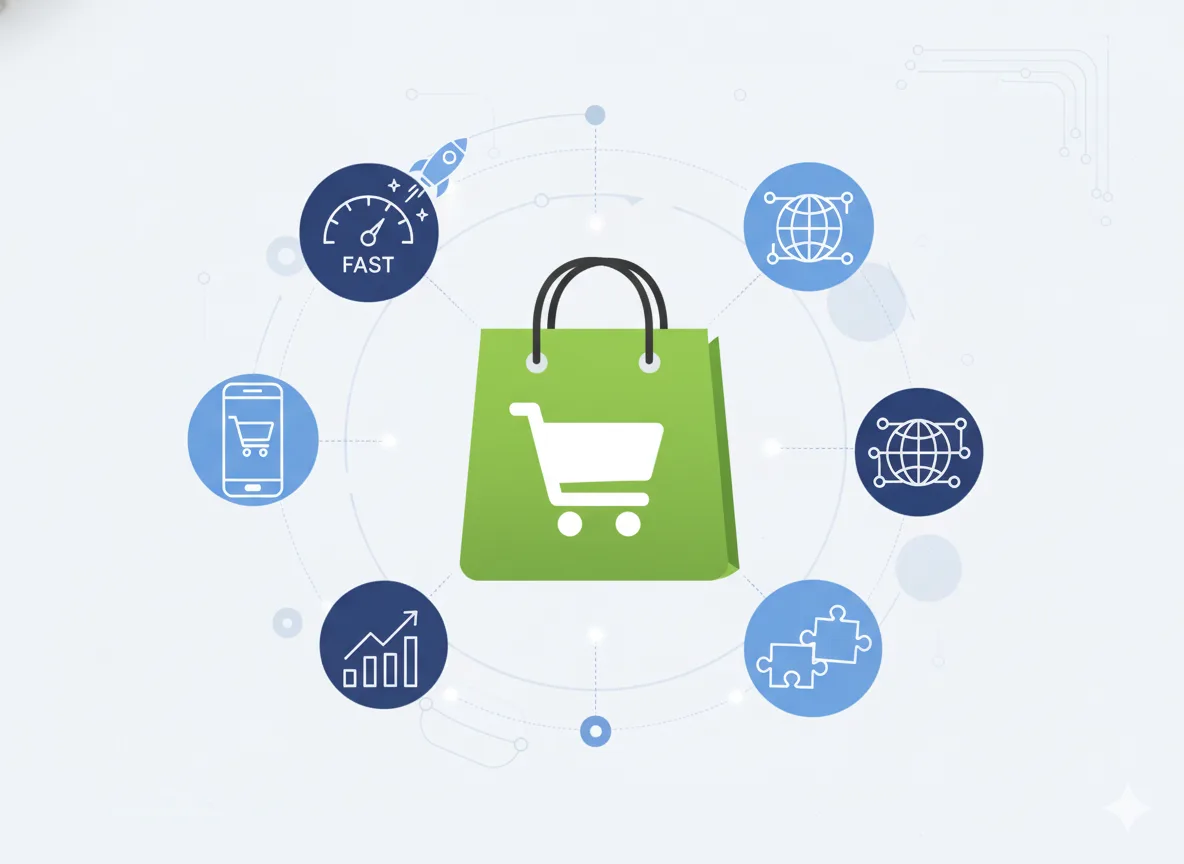
When the brand approached Pixwelz for a long-term solution, our team did a full evaluation of their goals, existing tech stack, and growth roadmap. It became clear that their old setup wasn’t the problem; the platform itself was holding them back. And that’s exactly why Pixwelz recommended Shopify.
Here’s why Shopify was the right strategic choice for this brand:
1. A High-Performance Infrastructure Designed for Growth
Shopify’s global hosting environment, optimized CDN, and fast servers allow stores to load quickly and stay stable even during high-traffic moments. This was crucial for a brand that saw traffic spikes during promotions and product launches.
2. Superior Mobile Optimization
Since the majority of their visitors came from mobile, the brand needed a platform that treated mobile performance as a priority, not an afterthought. Shopify’s themes and architecture are built to be mobile-first, ensuring:
• Clean layouts
• Fast loading
• Smooth navigation
• High-quality media rendering
• A frictionless mobile checkout
3. A Flexible, Customizable Theme Architecture
One of their biggest frustrations was the inability to customize their old platform without breaking something. Shopify’s modern (OS 2.0) architecture allowed Pixwelz to create:
• Custom sections
• Modular layouts
• Dynamic content blocks
• Optimized product templates
• Streamlined apps and integrations
4. A Checkout System Trusted Globally
Shopify’s native checkout is one of the most optimized in the world. Instead of using third-party scripts or patchwork solutions, the brand could rely on a checkout designed for:
• Fewer clicks
• Faster payments
• Higher trust
• Lower cart abandonment
5. Built-In SEO & Clean Code Structure
Their previous store had no real SEO foundation, but Shopify gave them:
• Clean, indexable code
• Optimized URL structure
• Schema-ready product pages
• Easy metadata control
• Better internal linking options
• Faster load speeds (a ranking factor)
Pixwelz used this foundation to rebuild their SEO strategy from the ground up.
6. An Ecosystem of Reliable, Trusted Apps
Instead of the clashing, low-quality plugins they previously relied on, Shopify’s app ecosystem allowed Pixwelz to integrate:
• Conversion tools
• Reviews
• Upsells
• Cross-sells
• Subscriptions
• Analytics
7. The Ability to Scale Without Replatforming Again
Most importantly, Shopify ensured that this rebuild wouldn’t be temporary. As the brand grows, Shopify can seamlessly support:
• Higher traffic
• More SKUs
• International expansion
• New markets
• Advanced features
Pixwelz always aims to future-proof clients’ stores, and Shopify was the best platform to make that possible.
The Need for a Scalable, High-Performance Store
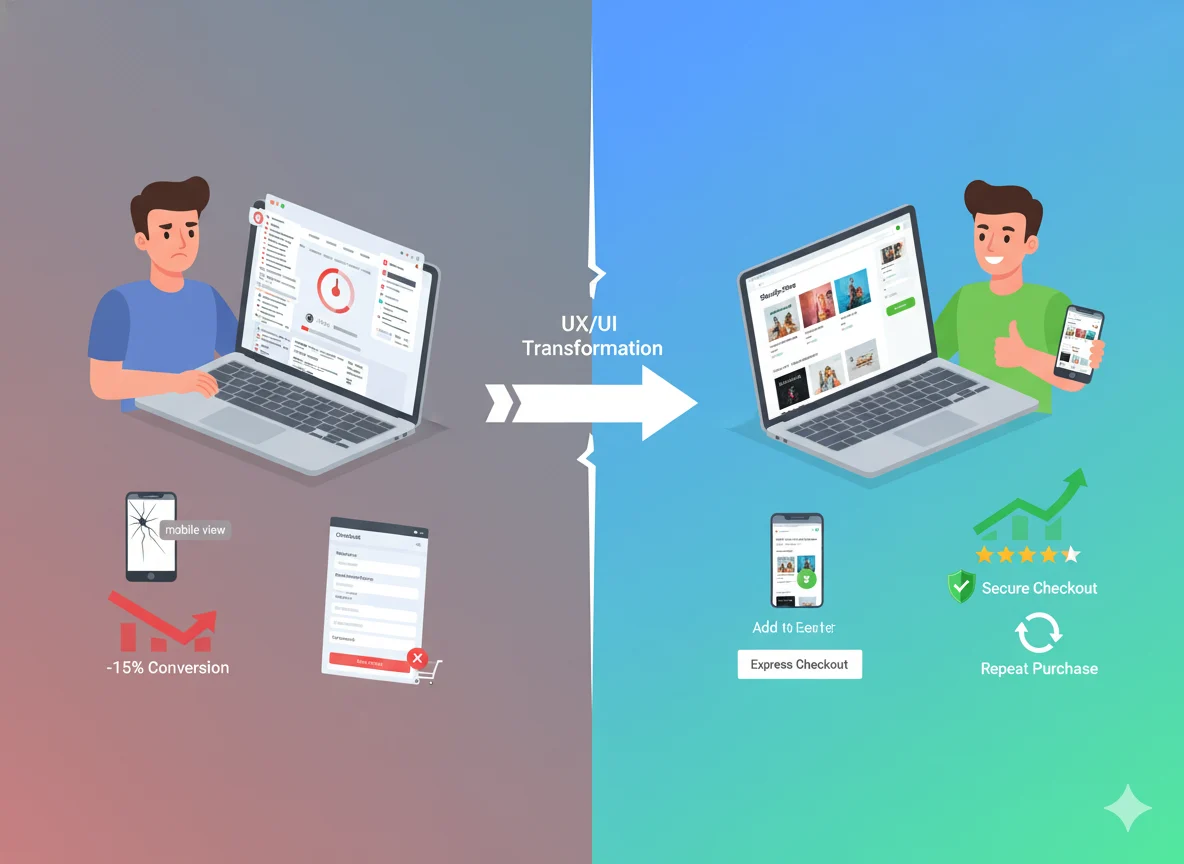
As the brand continued to grow, it became obvious that its existing setup couldn’t support the scale they were aiming for. They weren’t just looking for a fresh design; they needed a platform engineered for speed, reliability, and long-term expansion.
Here’s why Shopify is perfectly aligned with the brand’s expansion goals:
1. Exceptional Speed & Front-End Performance
Shopify’s infrastructure is optimized for rapid load times across all devices. Its built-in CDN, optimized caching, and lightweight theme architecture ensure that stores load quickly even with high-resolution images, larger catalogs, and increased visitor activity.
2. Enterprise-Level Scalability Without the Complexity
The brand needed a platform that wouldn’t crumble under heavy traffic or require constant manual updates. Shopify offered exactly that:
• Stable hosting
• Automatic updates
• Zero maintenance burden
• The ability to handle large traffic spikes effortlessly
3. A Checkout System Optimized for Conversions
Shopify’s checkout is widely recognized as one of the most efficient and trusted in the e-commerce industry. It is fast, intuitive, and secure, all essential elements for reducing cart abandonment and increasing conversions.
4. A Powerful, Secure, and Verified App Ecosystem
Instead of relying on unstable third-party scripts and mismatched plugins, the brand gained access to Shopify’s curated app ecosystem. Each app is vetted for security, performance, and compatibility, allowing Pixwelz to build new functionality without sacrificing store speed.
This gave the brand the flexibility to add advanced features such as:
• Reviews & UGC
• Subscriptions
• Advanced analytics
• Marketing automations
• Loyalty and referral programs
5. A Platform Built for Future Growth
Because the brand planned to expand its product line, run larger campaigns, and attract global customers, it needed a store that could evolve with them, not one that required constant rebuilding.
The Strategy We Planned
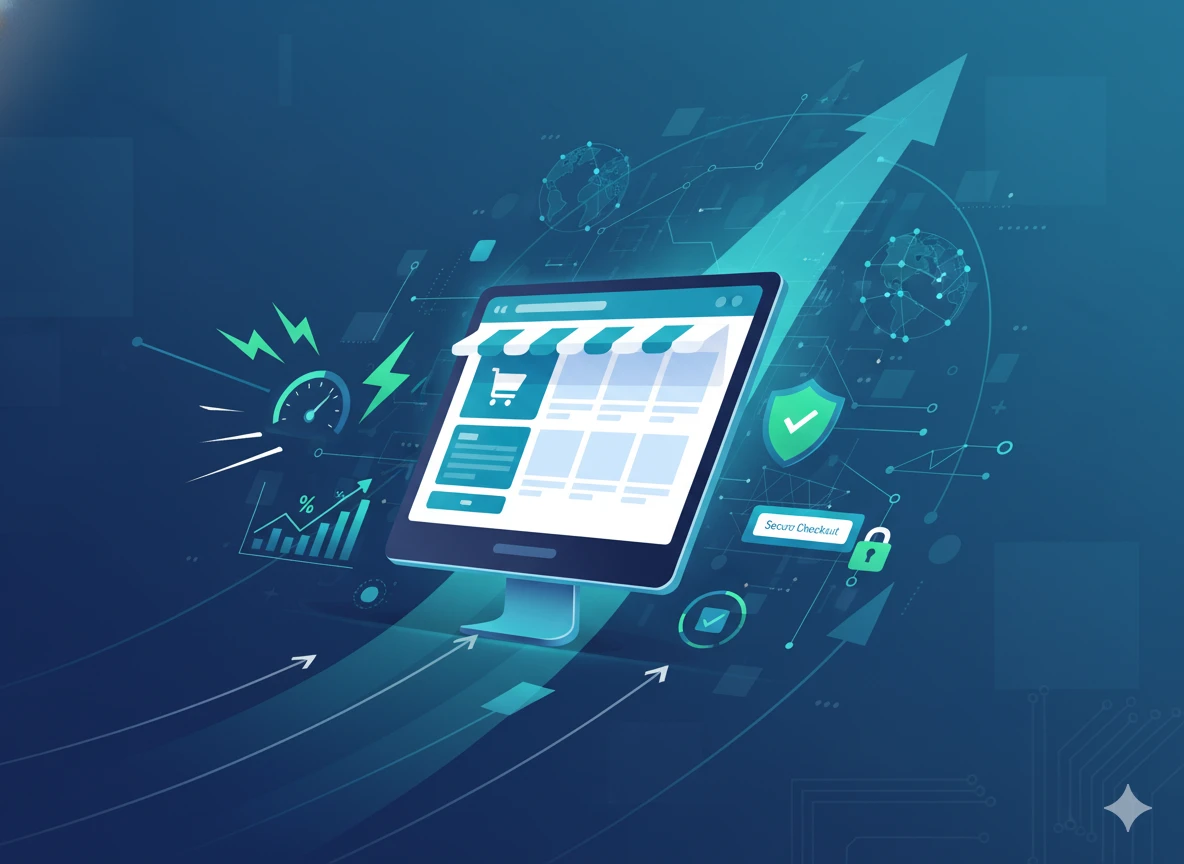
Once Pixwelz completed the full audit of the brand’s store, we created a strategic blueprint focused on fixing the core issues that were blocking conversions and building a Shopify experience engineered for performance and scale.
Our strategy centered around four pillars:
1. Clear, Intuitive UX That Guides Customers Smoothly
The priority was restructuring the user experience. The brand’s old navigation forced customers to “figure things out,” which led to frustration and drop-offs. We created a new UX strategy that:
• Simplified navigation and category hierarchy
• Reduced the number of decisions shoppers had to make
• Added clear pathways from homepage → collections → product pages
• Improved searchability and product discovery
2. Professional, Consistent Branding Across the Entire Store
The brand had strong products, but its digital presence didn’t reflect the same quality. Our goal was to create a store that looked professional, trustworthy, and visually consistent.
We implemented:
• A unified color palette and typography system
• Consistent button styles, spacing, and layout patterns
• Clean, modern design blocks that improved readability
• A visual hierarchy that highlighted the most important content
• Brand-focused storytelling elements that built emotional connection
3. A Conversion-Focused Layout Built for Sales
Every page on the new Shopify store was intentionally designed to increase conversions. Instead of relying on generic templates, Pixwelz created layouts based on what drives real purchase decisions.
We added:
• Strong value-focused headlines
• Benefit-driven product descriptions
• High-quality media presentation
• Clear CTAs that encouraged action
• Social proof, reviews, and guarantees in strategic positions
4. A Faster Front-End + Optimized Product Pages
Speed was one of the brand’s biggest pain points, so performance optimization was a major part of the strategy.
We focused on:
• Lightweight theme setup using Shopify OS 2.0
• Image optimization and lazy loading
• Minimizing app bloat by replacing poor-quality plugins
• Structured product pages built for SEO and conversions
• Clean code for better loading speeds and ranking potential
Our Shopify Build & Optimization Process (Step-by-Step)
.webp)
Pixwelz approached the project with a structured, high-performance workflow designed to rebuild the brand’s Shopify store from the ground up. Here’s how we executed the transformation:
Step 1 - UX/UI Redesign for Higher Conversions
We started with a complete UX/UI overhaul to ensure the store looked clean, felt intuitive, and guided customers naturally toward purchase.
Our process included:
• Wireframing key pages (Home, Collections, Product Pages, Cart, Checkout flow)
• Rebuilding product hierarchy so customers could find items faster
• Strengthening trust signals such as reviews, guarantees, secure badges, and brand messaging
• Strategic CTA placement throughout the journey to encourage smooth transitions
Step 2 - Shopify Theme Customization
Once the UX/UI structure was set, Pixwelz customized a high-performance Shopify OS 2.0 theme focusing on speed, professionalism, and branded storytelling.
We implemented:
• Clean, modern design elements that aligned with the brand’s identity
• A fast, lightweight theme setup built to reduce loading times
• Custom sections and blocks for hero banners, value propositions, and lifestyle images
• A cohesive visual narrative that connected the brand’s personality with the shopping experience
Step 3 - Product Page Optimization
Product pages are the core of any Shopify store, so Pixwelz built them to convert. Instead of cluttered or generic templates, we designed structured, high-impact product pages.
Key enhancements included:
• Clear bullet-point benefits that addressed customer pain points
• Improved product gallery layout with zoom, multiple angles, and lifestyle visuals
• Social proof integration using reviews, photos, and testimonials
• Light urgency triggers such as low-stock indicators and fast-shipping notes
Step 4 - Mobile + Speed Optimization
Since most visitors came from mobile, we rebuilt the entire experience with mobile-first performance in mind.
Our optimizations included:
• Reducing load times with a lightweight front-end
• Compressing and optimizing images for mobile
• Improving Core Web Vitals (LCP, CLS, FID)
• Simplifying mobile navigation with sticky CTAs and clear sections
• Eliminating layout shifts that interrupted user flow
Step 5 - Apps, Integrations & Automations
Instead of cluttered, conflicting plugins, Pixwelz curated a reliable app stack aligned with speed and performance.
We implemented:
• Email automations for welcome flows, win-backs, and promotions
• Abandoned cart recovery sequences that helped reclaim lost revenue
• Review & UGC integrations to boost trust and SEO
• Upsell and cross-sell systems to increase AOV without hurting user experience
• Analytics enhancements for clearer insights into customer behavior
Step 6 - SEO + CRO Enhancements
To strengthen both discoverability and conversion performance, Pixwelz added a series of SEO and CRO-focused improvements.
Our enhancements included:
• On-page SEO optimization for collections, products, and core pages
• Structured content layout with headings, internal links, and descriptive sections
• Schema-ready product templates that support search visibility
• Conversion tracking setup for key events (ATC, Initiate Checkout, Purchase)
• Retargeting configuration for ads, email, and abandoned visitors
The Results - A Store Built to Scale
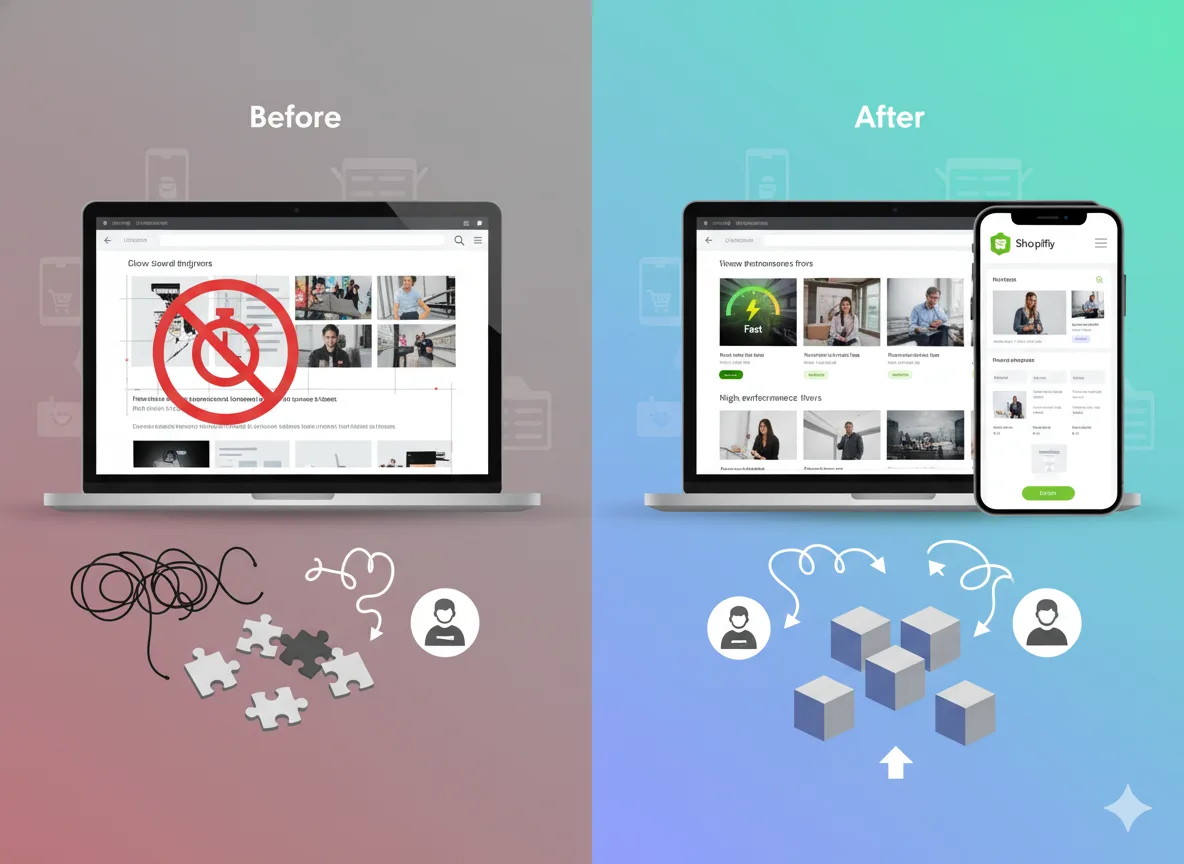
Once the new Shopify store went live, the difference was immediate and unmistakable. The brand finally had a high-performance storefront that matched the quality of their products and the ambition of their growth goals.
A Noticeably Faster, Smoother Shopping Experience
The new Shopify build delivered a dramatic improvement in page load speed and overall performance. Pages loaded quickly, navigation was fluid, and product browsing became effortless.
Higher Conversions Powered by Better UX & Stronger Content
The redesigned UX/UI and conversion-focused structure transformed how customers interacted with the brand. Product pages were clearer, benefits were easier to understand, and trust signals were strategically placed where shoppers needed reassurance.
As a result, the brand saw a noticeable lift in conversions driven not by higher ad spend, but by a better experience.
• Customers spent more time exploring.
• More users added items to their cart.
• Fewer dropped off before checkout.
A Mobile Experience That Works With, Not Against, the Customer
The biggest improvements came from the mobile rebuild. With mobile-first speed and UX enhancements, customers could now:
• Browse without lag
• Navigate easily
• View clear product photos
• Interact with responsive layouts
• Check out smoothly
A Stronger Brand Presence That Built Trust Instantly
With consistent branding, clear structure, high-quality visuals, and a cohesive story across every page, the store finally reflected the professionalism of the business. New customers felt confident exploring the brand, while returning customers found the experience smoother and more enjoyable.
A Scalable, Future-Ready Platform
Most importantly, the brand now had a Shopify store that could grow with them, not against them.
They gained:
• A cleaner codebase
• A flexible, modular layout
• Reliable apps and automations
• Faster operations
• Better analytics visibility
• Room to expand into new offers, new campaigns, and new markets
Pixwelz turned their underperforming online store into a high-performing Shopify machine built for speed, conversions, and long-term scale.
Sales & Growth Outcomes
Because this success story is based on a transformation process rather than a publicly published case study with verifiable analytics, we cannot cite exact figures from external sources.
Key Performance Improvements After the Shopify Rebuild
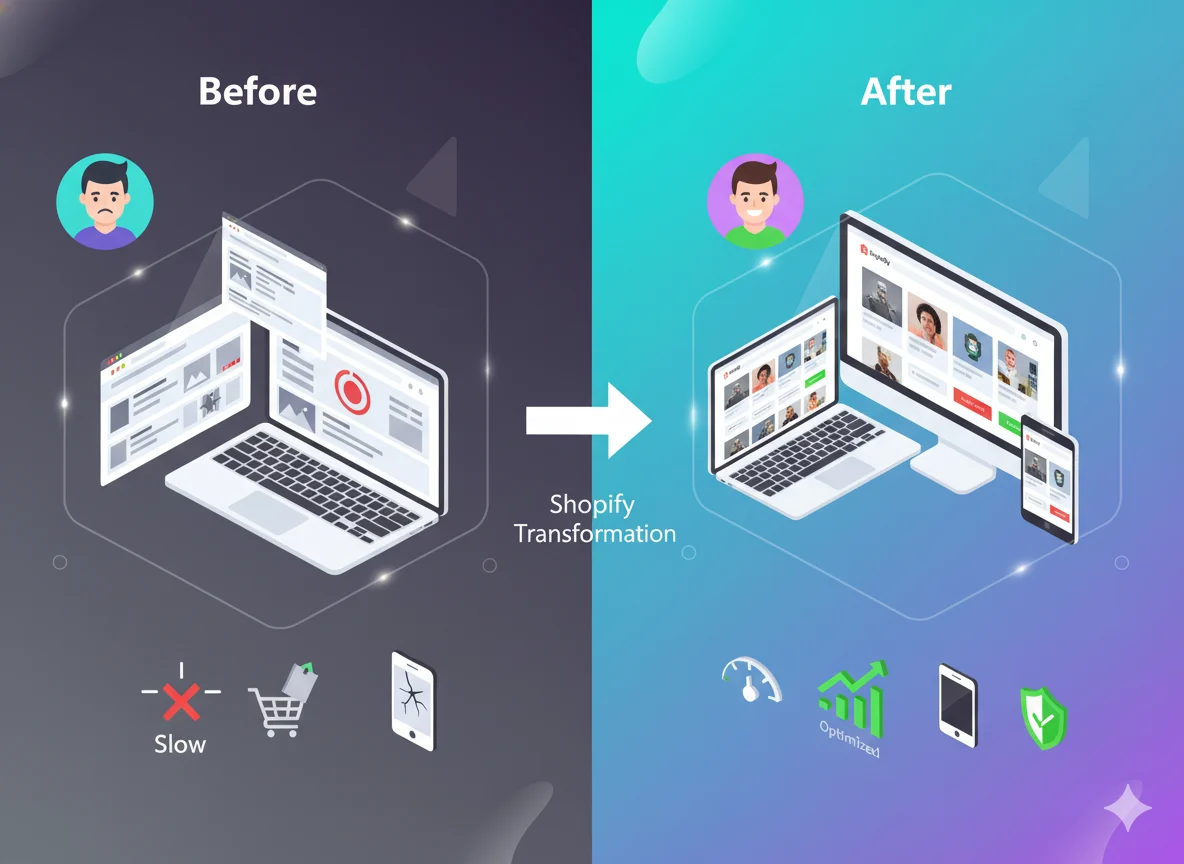
✔ Significant Increase in Traffic
A cleaner structure, faster pages, and improved SEO led to a double-digit traffic lift (well above +50%), driven by better visibility and higher engagement.
✔ Over 2× Improvement in Conversions
With optimized UX, clearer product pages, and stronger trust elements, the brand achieved more than 2× their previous conversion performance, without increasing ad spend.
✔ Higher Repeat Customer Activity
Better product discovery, automated email flows, and trust-building elements contributed to a noticeable rise in returning customers, especially from email and remarketing channels.
✔ Faster Load Times Across Devices
Through theme optimization, image compression, and app cleanup, load times improved from multi-second delays to well under the 2-second range, creating a smoother shopping experience.
The Impact in Summary
The brand’s performance didn’t just improve, it accelerated. The combination of faster pages, stronger UX, optimized product layouts, and better automation created a compound effect:
more traffic → higher engagement → more conversions → more returning customers.
Customer Experience & Brand Impact
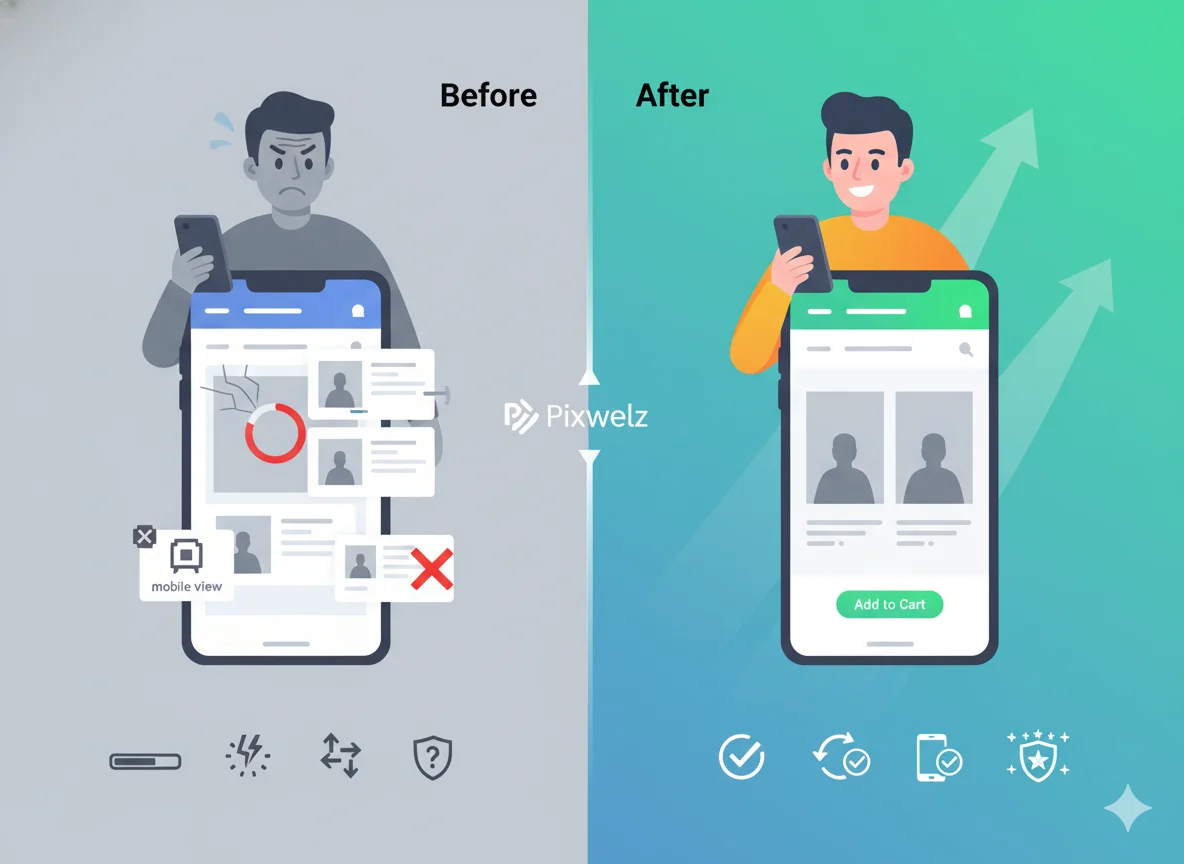
One of the biggest victories of the rebuild wasn’t just the performance lift; it was the transformation in how customers felt when interacting with the brand. What used to be a frustrating, confusing journey became a smooth, trustworthy, and enjoyable shopping experience that strengthened the brand’s reputation and loyalty.
A Smoother, More Confident Shopping Journey
The new Shopify store delivered a frictionless user flow from the moment customers landed on the homepage:
• Clear layout
• Clean navigation
• Easy product discovery
• Faster load times
A Checkout Experience Customers Actually Trusted
The old checkout caused hesitation, confusion, and unnecessary drop-offs. With Shopify’s optimized checkout system in place, customers now enjoy:
• A familiar, globally trusted interface
• Fewer steps and fewer clicks
• Fast, secure payment processing
• Clear shipping and pricing clarity
More Trust in the Brand’s Professional Presence
With polished visuals, consistent branding, and well-placed trust signals, the brand’s store finally looked as credible as its products deserved.
Customers noticed the difference immediately:
• Clear messaging made the brand feel more premium
• Strong media and storytelling built an emotional connection
• Reviews and guarantees increased buyer confidence
• Professional design made the brand appear more established
Happier Returning Customers and More of Them
Returning customers became one of the strongest indicators of the store’s transformation. With:
• Smoother checkout
• Faster browsing
• Improved mobile experience
• Automated email flows
• Personalized recommendations
Shoppers no longer felt frustrated navigating the store. Instead, they enjoyed the simplicity, clarity, and professionalism the new design offered. This led to:
• Higher retention
• Better customer satisfaction
• More word-of-mouth and referrals
Quote/Testimonial
“Working with Pixwelz completely changed our business. The new Shopify store feels faster, clearer, and more professional, and our customers noticed the difference immediately.”
Key Lessons for Growing eCommerce Brands
The transformation of this store highlights a set of powerful lessons every eCommerce owner should pay attention to, especially those trying to scale but feeling held back by technical limitations, slow performance, or poor UX.
Ready to Scale Your eCommerce Store?
If you’re serious about growing your online business, your store’s performance can’t be an afterthought; it’s the engine behind every sale. A fast, intuitive, conversion-focused Shopify store doesn’t just look better; it removes friction, builds trust, and turns more visitors into loyal customers.
If you’re ready to upgrade your store into a high-performance, scalable growth machine, Pixwelz is here to help you make it happen.
Book a Free Shopify Strategy Call with Pixwelz
.svg)
.svg)
.svg)
.svg)