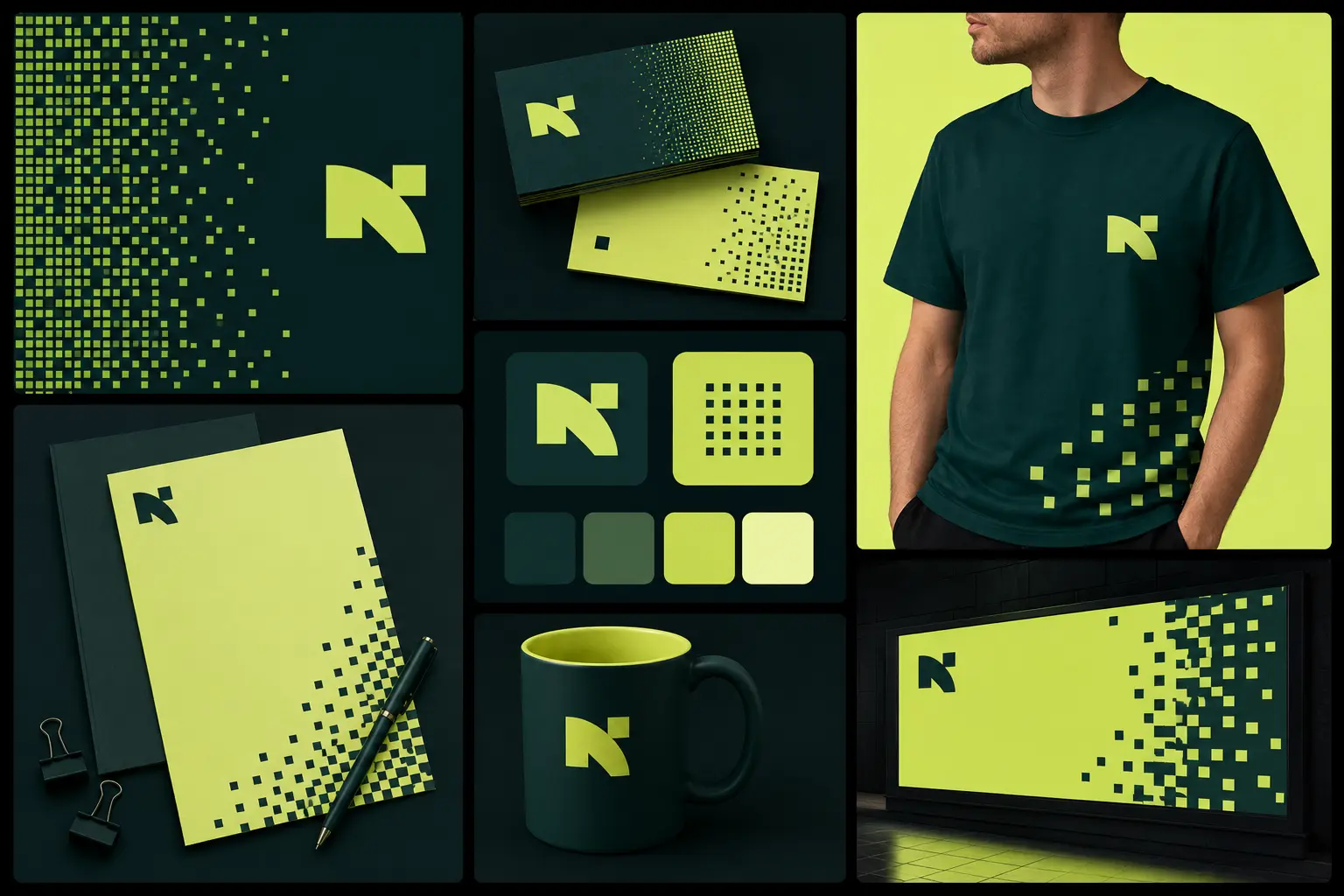
Brand identity design is a visual and emotional system that defines how a brand expresses its brand values through a structured brand strategy. A brand strategy sets a clear direction and aligns every visual decision with the expectations of the target audience. This foundation gives every brand a clear purpose and a consistent visual direction.
Logos, color palette, typography, and imagery form the core elements of brand identity design. These elements work together as a cohesive brand system that communicates meaning and creates clear recognition across every customer touchpoint. A cohesive brand system strengthens brand consistency and helps people distinguish one brand from another in competitive markets.
Brand guidelines define the rules for logos, color palette, typography, and imagery across all applications. Brand guidelines preserve brand consistency and protect the integrity of the cohesive brand system wherever the brand appears. The target audience connects these consistent visual signals with the brand's values, which builds consumer trust over time.
Research from Marq (formerly Lucidpress) reports that consistent brand presentation can increase revenue by up to 33%, which demonstrates the value of brand guidelines and consistent brand identity across every customer interaction.
What is brand identity design?
Brand identity design is a system that establishes how a brand presents itself through visual and communication elements and expresses its core meaning to an audience. It creates a recognizable identity that helps people distinguish one brand from another through clear visual communication. Its visual and communication elements shape first impressions and present the brand with clarity across every interaction.
Brand identity design translates brand strategy into tangible brand assets that represent the brand through logos, color palette, typography, and imagery. These assets work together as a unified system and reflect strategic goals through consistent visual expression. They create a consistent brand experience that presents the same identity wherever customers encounter the brand.
Why is brand identity design important?
Brand identity design is important because it instantly communicates what a business is, builds consumer trust and differentiates the brand in a competitive market. It strengthens brand recognition through a consistent visual identity, while logos and color palettes express brand personality and create an emotional connection with customers. These benefits encourage customer loyalty and support stronger financial performance.
The primary reasons why brand identity design is important are listed below.
Instant Recognition: Instant recognition helps people identify a brand quickly. It also improves recall across websites, packaging, advertising and social media.
Market Differentiation: Market differentiation separates a brand from competitors through distinctive visual elements. It highlights the brand's unique position and value in the market.
Trust and Credibility: Trust and credibility grow through consistent brand presentation. They strengthen consumer trust and encourage long-term customer loyalty.
Emotional Connection: Emotional connection develops when brand personality reflects shared values. It creates stronger relationships and encourages long-term engagement.
What objectives does brand identity design achieve?
Brand identity design achieves clear brand values and brand personality that strengthen brand recognition and support market differentiation. It creates a consistent brand experience across brand touchpoints.
This consistency builds consumer trust and encourages customer loyalty through a unified visual identity. Forrester research links consistent customer experiences with stronger customer loyalty and better business outcomes.
The key objectives of brand identity design are listed below.
Brand Recognition: Brand recognition helps people identify a brand quickly. It improves recall through consistent logos, color systems and visual cues.
Market Differentiation: Market differentiation sets a brand apart from competitors. It creates a distinctive identity that customers remember.
Emotional Trust and Loyalty: Emotional trust and loyalty grow when brand values and brand personality remain consistent. They strengthen consumer trust and encourage long-term customer loyalty.
Consistent Brand Experience: Consistent brand experience aligns brand touchpoints across every channel. It delivers a unified visual identity at every customer interaction.
How does brand identity design differ from branding?
Brand identity design differs from branding because branding defines the overall brand strategy and public perception, while brand identity design creates the visual system that represents that strategy. Branding shapes how the target audience understands a business.
Brand identity design expresses that direction through a consistent visual language using logos, typography, color palettes and visual consistency. Together, branding provides the strategic direction. Brand identity design makes that direction visible, recognizable and memorable.
The difference between branding and brand identity design is listed below.
Example: Nike positions its brand around athletic performance and inspiration. Its swoosh, typography and color palette translate that positioning into a distinctive visual identity. This example shows how branding establishes the strategic direction, while brand identity design expresses it through consistent visual assets.
How does brand strategy guide brand identity design?
Brand strategy guides brand identity design through strategic decisions that shape every visual element of a brand. It defines brand positioning, core values, the target audience, brand personality and brand voice. Brand identity design converts those decisions into a consistent visual identity. Typography and color psychology reinforce that identity across customer touchpoints.
The key ways brand strategy guides brand identity design are listed below.
Target Audience: Target audience research identifies customer preferences and expectations. Brand identity design adapts the visual identity to match those expectations.
Brand Positioning: Brand positioning establishes a distinct place in the market. Brand identity design expresses that position through typography, color psychology and distinctive visual elements.
Core Values and Personality: Core values and personality define what a brand represents. Brand identity design reflects those qualities through consistent design choices.
Brand Voice: Brand voice shapes how a brand communicates with customers. Brand identity design keeps the visual identity aligned with that message across every touchpoint.
Example: Apple builds its brand strategy around simplicity and innovation. Its product design, packaging and advertising express those principles through a clean and consistent visual identity.
What principles guide brand identity design?
The principles that guide brand identity design are simplicity, consistency, scalability, versatility, memorability and timelessness. Together, these principles strengthen brand recognition, build consumer trust and maintain cross-platform consistency.
The core principles of brand identity design are listed below.
Simplicity: Simplicity keeps the visual identity clear and easy to recognize. It removes unnecessary complexity and improves recall.
Consistency: Consistency applies the same visual standards across every touchpoint. It strengthens brand recognition and builds consumer trust.
Scalability: Scalability preserves clarity at every size. It keeps visual assets effective from mobile app icons to large-format signage.
Versatility: Versatility allows logos, typography and colors to adapt across different channels. It maintains clarity without weakening the visual identity.
Memorability: Memorability creates distinctive visual cues that customers remember. It helps a brand stand out in competitive markets.
Timelessness: Timelessness reduces reliance on short-lived design trends. It supports long-term brand recognition and visual consistency.
What functions does brand identity design perform?
Brand identity design performs functions that establish, communicate and reinforce a distinctive visual identity for a brand. These functions express brand values and strengthen business communication. They improve brand recognition, build consumer trust and support market differentiation. They also shape brand perception and deliver a consistent customer experience through cross-channel consistency.
Research by Lucidpress found that consistent brand presentation is associated with stronger business performance. The findings show why a consistent visual identity supports long-term brand success.
The primary functions that brand identity design fulfills are listed below.
Recognition: Recognition makes a brand easy to identify and remember. Logos, typography, color palettes and imagery improve visual recall across every channel.
Trust Building: Trust building creates a reliable visual identity that customers recognize over time. Consistency strengthens consumer trust and supports a positive customer experience.
Market Differentiation: Market differentiation distinguishes a brand from competitors. Distinctive visual elements reinforce a unique position in the market.
Brand Perception: Brand perception shapes how customers interpret brand values and business communication. A consistent visual identity reinforces those impressions.
Experience Consistency: Experience consistency delivers the same visual identity across every customer touchpoint. Cross-channel consistency creates a familiar and dependable brand experience.
What is the brand identity design process?
The brand identity design process is a structured workflow that transforms brand strategy into a cohesive visual identity. It follows a sequence of strategic phases, from discovery and research to brand guidelines, so every design decision supports the brand's objectives and creates a consistent brand identity.
The 5 phases of the brand identity design process are presented below.
- Discovery and Research: Discovery and research establish an understanding of the business, audience and market.
- Brand Strategy: Brand strategy defines the brand's positioning, messaging and tone.
- Visual Exploration and Moodboarding: Visual exploration and moodboarding evaluate creative directions through reference collections, concept boards and moodboards.
- Design and Development: Design and development transform the approved direction into brand assets that form a cohesive visual identity.
- Brand Guidelines and Handover: Brand guidelines and handover document standards for consistent brand use.
Where is brand identity design applied?
Brand identity design applies across every customer touchpoint, from digital and web to print and packaging, marketing and swag, and physical spaces. These application areas extend the same visual identity across digital, print and physical environments to maintain brand consistency and deliver a unified brand experience.
Brand guidelines and a digital asset management (DAM) system help teams use approved digital assets, logos, typography and color palettes consistently across every application area.
The primary application areas of brand identity design are presented below.
Digital and Web: Digital and web covers websites, digital platforms and other digital assets. This application area maintains a consistent brand identity across online customer touchpoints.
Print and Packaging: Print and packaging applies the visual identity to print materials, packaging and other physical formats. It reinforces brand consistency wherever customers interact with printed assets.
Marketing and Swag: Marketing and swag extends the visual identity across promotional campaigns, presentations, branded merchandise and supporting materials. It keeps brand communication consistent across marketing touchpoints.
Physical Spaces: Physical spaces apply the visual identity to offices, retail environments, events and signage. This application area creates a cohesive brand experience in real-world environments.
How to manage brand identity design?
Brand identity management starts with a clear strategy, consistent visual elements and strict brand guidelines. It connects core values, the target audience and market position with a consistent visual identity and verbal identity. This structure strengthens brand consistency across every customer touchpoint.
The 6 key practices to manage brand identity design are listed below.
- Define Values: Define values connect core values with the target audience and market position.
- Build Visual Identity: Build visual identity aligns the logo, color palette and typography with the brand's strategic direction.
- Establish Verbal Identity: Establish verbal identity defines the brand voice and tone for clear and recognizable communication.
- Create Brand Style Guide: Create brand style guide that documents the standards that protect brand consistency across teams and channels.
- Assign System Ownership: Assign system ownership defines responsibility for brand decisions and approval standards.
- Develop Working Templates: Develop working templates provide standardized resources for consistent brand application.
How do you measure brand identity effectiveness?
Measure brand identity effectiveness through brand tracking surveys, audience feedback and commercial data. These measurement methods evaluate recognition and awareness, customer perception and business impact to determine how the brand performs over time.
Net Promoter Score (NPS) and Customer Lifetime Value (CLTV) complement each other because NPS measures customer advocacy, while CLTV measures long-term economic value. Together, they provide a broader view of brand identity effectiveness than either metric alone.
The 3 categories that measure brand identity effectiveness are presented below.
- Recognition and Awareness: Recognition and awareness evaluate how well people recognize and remember the brand. Unaided and aided recall, branded search volume and share of voice measure market visibility and brand recall.
- Perception and Sentiment: Perception and sentiment evaluate how audiences perceive the brand. Brand sentiment, brand relevance and internal alignment measure customer perception, message relevance and organizational consistency.
- Behavior and Value: Behavior and value evaluate the business impact of the brand. Customer loyalty, price premium, Net Promoter Score (NPS) and Customer Lifetime Value (CLTV) measure customer behavior, brand value and long-term business performance.
Why does brand identity design evolve?
Brand identity design evolves to maintain market relevance as consumer preferences, new technologies and business growth change how people interact with brands. It helps businesses adapt to these changes without losing recognition or consistency.
Brand identity design also responds to advances in mobile-first design, motion integration and changing expectations across digital platforms. It supports new demographics that expect a modern aesthetic while preserving brand recognition.
Brand identity design also supports business expansion by maintaining consistency across products, services and customer touchpoints. Google's 2015 logo refresh illustrates this approach. It improved digital usability while preserving brand recognition. The example shows that successful brand identity evolution relies on refinement rather than reinvention.
How can businesses improve brand identity design?
Businesses improve brand identity design through strategic refinement that aligns market research, competitor analysis and the target audience with clear brand decisions. Brand identity improvement starts with a clear understanding of customer expectations and market opportunities. It then translates core values into consistent visual elements and verbal elements that communicate the same message across every customer interaction.
Businesses document these standards in brand guidelines to keep logos, colors, typography, tone and messaging consistent. They also strengthen cross-platform consistency so customers recognize the same brand across websites, social media, packaging and sales materials. Continuous refinement and periodic identity reviews help businesses identify design or messaging gaps before they weaken brand recognition or customer trust.
Businesses also improve brand identity design through disciplined governance instead of frequent redesigns. The Lucidpress (now Marq) Brand Consistency study found that consistent brand presentation improves brand recognition and customer confidence. It reinforces the value of structured brand management and long-term consistency over isolated design updates.
What are the core elements of brand identity design?
Brand identity design consists of interconnected visual and verbal elements that create a recognizable, consistent and memorable brand. Together, they strengthen visual identity, verbal identity and overall brand consistency.
The 7 core elements of brand identity design are presented below.
- Logo: Logo serves as the primary symbol of the brand and strengthens brand recognition.
- Typography: Typography establishes a consistent visual tone across brand communications.
- Color Palette: Color palette creates visual recognition and reinforces brand associations.
- Imagery: Imagery defines the visual style that expresses the brand's personality.
- Iconography: Iconography improves clarity and supports the visual identity with consistent symbols.
- Brand Voice: Brand voice defines how the brand communicates across every channel.
- Messaging: Messaging communicates the brand's value, purpose and positioning.
What makes a brand logo effective?
A brand logo achieves effectiveness through simplicity, memorability and versatility. These qualities help it remain clear across different sizes, formats and applications. In brand identity design, relevance and timelessness help the logo reflect the brand over time and strengthen brand recognition without losing clarity or impact.
How does typography shape brand identity?
Typography shapes brand identity through visual communication that reflects brand personality and evokes emotions that resonate with the audience. Typography establishes visual hierarchy in brand identity design, strengthens brand recognition and reinforces consistency across every brand touchpoint.
How does color influence brand identity?
Color influences brand identity as emotional associations and visual recognition shape consumer perception. It strengthens brand recognition, supports differentiation and reinforces consistency in brand identity design across every customer touchpoint.
How does imagery support brand identity?
Imagery supports brand identity because visual recognition and emotional connection communicate core values. It creates memorable visual experiences, reinforces brand consistency and helps customers recognize the brand across every touchpoint.
How does iconography strengthen brand identity?
Iconography strengthens brand identity because visual recognition and consistent communication improve customer understanding. It supports fast communication, reinforces brand consistency and creates memorable brand experiences across customer touchpoints.
How does brand voice build identity?
Brand voice builds identity with a distinct personality that gives every message a consistent character. It reflects core values, creates an emotional connection, reinforces consistency and builds trust and brand recognition across customer interactions.
How do graphic elements strengthen brand identity design?
Graphic elements strengthen brand identity design by unifying the visual elements that customers recognize and remember. They combine color palettes, typography and logos to shape business perception, reinforce visual identity and establish a recognizable brand presence.
.svg)
.svg)
.svg)
.svg)